![[removal.ai]_163ff496-97e1-4a0f-9bfb-aac1353e0974-whatsapp-image-2024-11-15-at-16-25-13_b14a1d44_enhanced](https://mughalstarpipe.com/wp-content/uploads/elementor/thumbs/removal.ai_163ff496-97e1-4a0f-9bfb-aac1353e0974-whatsapp-image-2024-11-15-at-16-25-13_b14a1d44_enhanced-qxh0uch13grqnq4dixl5yuoivoiqb5endldi2auwu2.png "[removal.ai]_163ff496-97e1-4a0f-9bfb-aac1353e0974-whatsapp-image-2024-11-15-at-16-25-13_b14a1d44_enhanced")

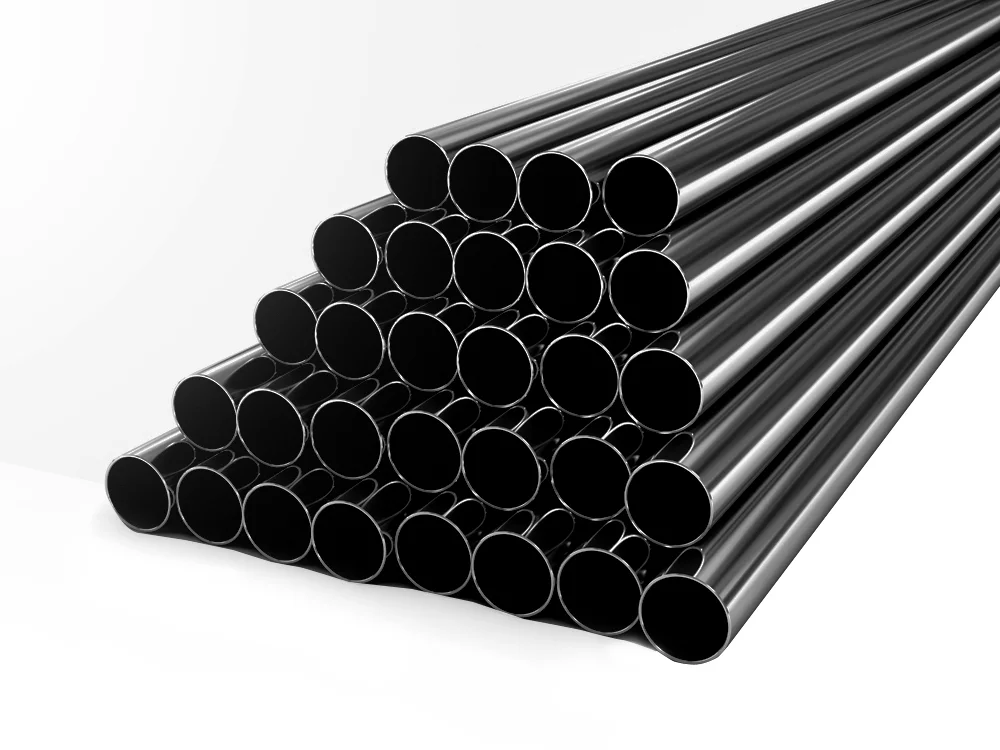
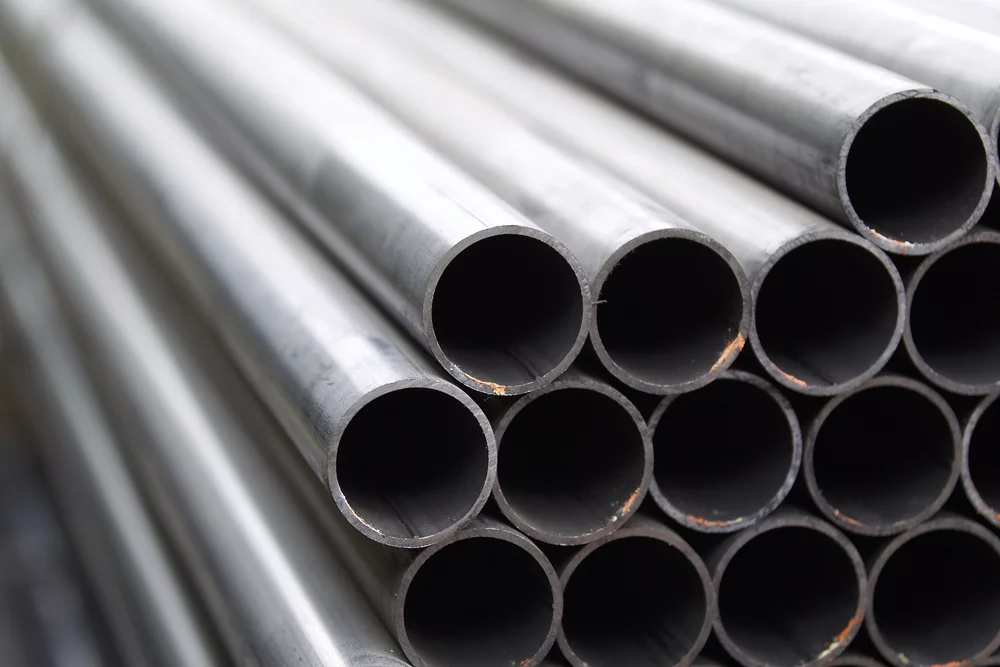
Cold-rolled pipes are crucial materials in various industries. These pipes are made by passing hot-rolled steel through cold rollers at room temperature. This cold working process enhances the pipes’ strength, smooth surface, accurate dimensions, and consistent quality. Cold rolling brings several benefits, making these pipes suitable for demanding applications requiring precision and reliability. Let’s explore the production methods, sizes, applications, and advantages of cold-rolled pipes in greater detail.
Overview of the Cold Rolling Process
Cold-rolled pipes begin as hot-rolled steel, which is first annealed and descaled. Afterward, the steel is cooled to room temperature in a cold rolling mill and repeatedly passed through unheated, polished steel rollers. The rollers exert pressure on the steel, causing it to deform plastically, making the pipe thinner with each pass. The cold working process reduces the thickness by up to 40% and elongates the steel. The result is a pipe with precise dimensional tolerances and a high-quality finish, available in round, square, or rectangular shapes.
Key Characteristics and Benefits
Cold-rolled steel gains increased strength and hardness, smooth surfaces, accurate diameters, and uniformity along its length. This process results in pipes that achieve the tightest dimensional tolerances compared to any other method. These qualities make cold-rolled pipes perfect for applications that demand high precision and reliability under stress, torque, or load.
2-Types of Cold Rolled Pipes
Cold-rolled pipes are available in various standard shapes and sizes, and they can also be customized for specific applications:
Round Pipes
Round cold-rolled pipes are the most common type, ranging in diameter from 1/2 inch to 24 inches, with wall thicknesses from 0.035 inches to 0.500 inches. These pipes are ideal for pressure containment, fluid or gas transport, and structural support.
Square Pipes
Square cold-rolled pipes have equal width and height with 90° angled corners. Sizes typically range from 1/2 inch to 12 inches for both width and height. Square pipes are stronger and more stable under compressive loads compared to round pipes.
Rectangular Pipes
Rectangular pipes are available in combinations of length and width, such as 1 inch by 2 inches or 3 inches by 6 inches. These pipes are commonly used in structural applications requiring higher bending strength in specific directions, such as support beams, rails, and columns.
Oval Pipes
Oval cold-rolled pipes come in custom dimensions tailored to niche industry requirements. The oval shape provides enhanced strength under bending or torsional loads.
Custom-Sized Pipes
Cold-rolled pipes can be produced in custom sizes, such as specific lengths, diameters, widths, and thicknesses, to meet specialized needs. These custom sections help reduce material waste and cost.
3-Gauges of Cold Rolled Pipes
The gauge number stamped on cold-rolled pipes indicates the thickness of the pipe’s wall. Gauges help determine the appropriate strength of the pipe.
Common Gauge Sizes
The most commonly used gauges for cold-rolled pipes range from 24 gauge (0.0201-inch thickness) to 10 gauge (0.134-inch thickness). The 16 gauge, with a thickness of 0.065 inches, is also widely used.
Thickness Range by Gauge
As the gauge number decreases, the wall thickness increases. For example, a 20 gauge pipe is thicker than a 22 gauge pipe. Lower gauges indicate stronger and thicker pipes.
Custom Gauges
For specialized mechanical requirements, custom gauges that fall outside the standard range can also be cold-rolled on demand.
4-Functions of Cold Rolled Pipes
Cold-rolled pipes serve a wide range of functions in industries due to their precise tolerances, high strength, smooth surfaces, and good corrosion resistance:
5-Structural Applications
Cold-rolled pipes are used in construction for support columns, beams, and bracing members because of their strength and workability.
Automotive Uses
Cold-rolled steel is used in automotive manufacturing for components like exhaust manifolds, fuel lines, and roll cages, which must endure vibration, heat, and impact.
Mechanical Engineering Uses
In industrial machinery, cold-rolled pipes are used to create hydraulic cylinders, precision shafts, pressurized vessel parts, and other rugged components.
Furniture Industry Uses
Cold-rolled rectangular and square pipes are frequently used in furniture manufacturing, such as in the making of desks, tables, racks, shelves, and steel bench frames.
Oil and Gas Uses
Due to their corrosion resistance, cold-rolled pipes are used to transport crude oil, natural gas, and refined petroleum products through extensive pipeline networks, both onshore and offshore.
6-Advantages of Cold Rolled Pipes
Cold-rolled pipes offer several metallurgical benefits that make them highly valuable:
Improved Surface Finish
The cold rolling process results in a much smoother surface than hot-rolled steel. This smooth finish improves paint adhesion and increases abrasion resistance.
Higher Dimensional Accuracy
Cold-rolled pipes have very tight dimensional tolerances, as precise as 0.1 mm. This allows for precision machining in automotive and engineering applications.
Increased Strength
Cold rolling strengthens the steel by up to 20% over hot-rolled steel of the same composition, creating strain hardening without causing embrittlement.
Better Formability
Despite their increased hardness, cold-rolled steel retains the ductility needed for bending, flaring, and shaping, allowing for complex custom shapes.
Improved Surface Hardness
The compression during cold rolling increases the surface hardness, which improves wear resistance and minimizes damage during handling or use.
Reduced Risk of Distortion
The controlled nature of the cold rolling process minimizes distortion that may occur during hot rolling, ensuring greater straightness and stability.
7-Rust Resistance of Cold Rolled Pipes
While cold-rolled steel has better corrosion resistance than hot-rolled steel, it still requires additional protective coatings to prevent rust.
Smoother Surface Resists Corrosion
The smooth finish of cold-rolled pipes is less likely to rust than hot-rolled surfaces, as there are fewer defects that could serve as sites for corrosion.
Role of Coatings and Treatments
To further prevent rusting, cold-rolled pipes can be coated with galvanization, zinc plating, or polymer coatings, creating a protective barrier.
Susceptibility to Rusting
Despite its advantages, uncovered cold-rolled steel will still rust over time if exposed to moisture and air. Regular maintenance is required to prevent rusting.
8-Main Applications of Cold Rolled Pipes
Cold-rolled pipes are widely used across various industrial sectors:
Construction Industry
Cold-rolled pipes are essential in civil construction for building bridges, buildings, marine structures, stadiums, and other critical infrastructure due to their strength.
Automotive Industry
In automotive manufacturing, cold-rolled steel is used for components such as exhaust systems, fuel systems, steering columns, and safety roll cages.
Mechanical Engineering
Cold-rolled pipes are used in manufacturing industrial machines and equipment, creating components like hydraulic cylinders, bearing housings, shafts, and press frames.
Furniture Industry
Cold-rolled pipes are used in the furniture industry to create bed frames, desks, racks, shelves, and bench legs, thanks to their strength and aesthetic qualities.
Oil and Gas Industry
Cold-rolled steel is used in cross-country transmission pipelines for oil and natural gas, withstanding high pressures and harsh environmental conditions.
Agricultural Equipment
Cold-rolled pipes are used in the manufacturing of agricultural equipment, such as irrigation sprinklers, greenhouses, and poultry farm tools, where resistance to corrosion is crucial.
Infrastructure
Urban infrastructure projects, including flyovers, bridges, metro stations, and industrial plants, rely on cold-rolled steel components for their strength, precision, and durability.
9-Conclusion
Summary of Key Points
Cold-rolled steel pipes are produced by passing hot-rolled steel through cold rollers, resulting in precise dimensions, a smooth finish, high strength, and good ductility. These pipes are essential in applications across construction, automotive, oil and gas, and mechanical engineering industries.
Benefits of Cold Rolled Pipes
Cold-rolled steel pipes offer exceptional value in industries where dimensional accuracy, physical strength, durability, and corrosion resistance are critical. Their advantages make them a superior choice over hot-rolled pipes, justifying the additional cost of production.
FAQs
What is the difference between hot-rolled and cold-rolled pipes?
Hot rolling occurs above the steel’s recrystallization temperature, while cold rolling is done at room temperature to achieve more accurate dimensions, a better surface finish, and higher strength.
What are the main uses of cold-rolled pipes?
Cold-rolled pipes are used in construction, automotive manufacturing, industrial machinery, oil/gas pipelines, infrastructure, and furniture for their superior precision, hardness, and corrosion resistance.
Why choose cold-rolled steel over hot-rolled?
Cold rolling provides increased yield strength, better surface finish, precise sizing, straightness, and a reduced risk of distortion in further processing.
How does cold rolling increase the pipe’s hardness?
The cold rolling process strains the steel by compressing it, which increases its strength by eliminating crystalline defects.
What type of coating prevents cold-rolled pipe rust?
Galvanization is the most common anti-corrosion treatment, where a thin layer of zinc is applied to act as a sacrificial anode, protecting the steel beneath.