![[removal.ai]_163ff496-97e1-4a0f-9bfb-aac1353e0974-whatsapp-image-2024-11-15-at-16-25-13_b14a1d44_enhanced](https://mughalstarpipe.com/wp-content/uploads/elementor/thumbs/removal.ai_163ff496-97e1-4a0f-9bfb-aac1353e0974-whatsapp-image-2024-11-15-at-16-25-13_b14a1d44_enhanced-qxh0uch13grqnq4dixl5yuoivoiqb5endldi2auwu2.png "[removal.ai]_163ff496-97e1-4a0f-9bfb-aac1353e0974-whatsapp-image-2024-11-15-at-16-25-13_b14a1d44_enhanced")

Introduction
The steel industry in Pakistan has grown significantly due to increased infrastructure projects and construction activities. This rising demand has impacted steel product pricing, particularly for steel pipes, which remain competitively priced. Steel rates in Pakistan play a crucial role supporting the countryin ‘s development and infrastructure growth. Major projects like the China-Pakistan Economic Corridor (CPEC) rely on steel pipes for durable and cost-effective solutions in road building, water pipelines, and gas distribution.
The local steel manufacturing industry thrives on abundant raw materials, cost-effective production, and government incentives. This makes steel pipes a backbone for infrastructure growth, with competitive pricing fostering greater adoption across various projects.
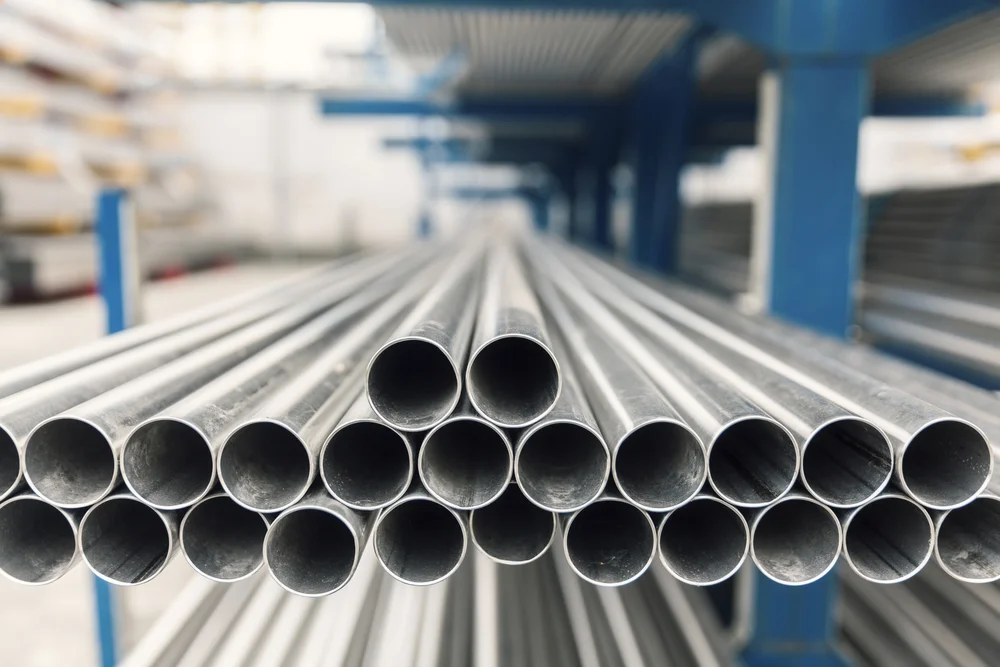
Competitive Steel Rates in Pakistan
Local steel pipe producers maintain low costs due to:
- Abundant Scrap Steel: Reused scrap reduces dependency on costly inputs.
- Efficient Utilization: Factories run 24/7, benefiting from cheaper nighttime electricity.
- Low Labor Costs: Affordable workforce reduces operational expenses.
- Export Demand: Middle East and African markets boost volume, lowering unit costs.
Such factors help sustain affordability, despite global market volatility, enabling Pakistan to compete internationally.
Why Steel Rates Remain Competitive
With growing urbanization and industrial needs, steel pipes are vital for water systems, structural projects, and transport pipelines. Favorable pricing supports wider usage in infrastructure, driving both domestic growth and export potential.
Steel Pipes: Core to Pakistan’s Growth
Steel pipes are indispensable in construction, water, and energy sectors. Competitive pricing has encouraged their adoption in large-scale infrastructure projects, fostering nationwide economic development.
Key Drivers of Low Steel Rates
- Scrap Availability: Ensures cost-effective production.
- Optimal Factory Utilization: Reduces overheads.
- Energy Cost Advantage: Nighttime electricity offers savings.
- Labor Affordability: Supports manual operations efficiently.
- Regional Exports: Expanding markets bolster economies of scale.
Future Outlook
Mega projects and urbanization will drive steel demand. Key initiatives like CPEC, smart city projects, and expanding exports to regions like Africa and the Middle East will maintain Pakistan’s competitive edge, with an expected 10% annual growth in steel-related industries by 2030.
Steel pipes will continue to play a pivotal role in the nation’s development, backed by cost-effective production and strategic policies.