![[removal.ai]_163ff496-97e1-4a0f-9bfb-aac1353e0974-whatsapp-image-2024-11-15-at-16-25-13_b14a1d44_enhanced](https://mughalstarpipe.com/wp-content/uploads/elementor/thumbs/removal.ai_163ff496-97e1-4a0f-9bfb-aac1353e0974-whatsapp-image-2024-11-15-at-16-25-13_b14a1d44_enhanced-qxh0uch13grqnq4dixl5yuoivoiqb5endldi2auwu2.png "[removal.ai]_163ff496-97e1-4a0f-9bfb-aac1353e0974-whatsapp-image-2024-11-15-at-16-25-13_b14a1d44_enhanced")

1-All the powerful aspects of hot rolled pipes and their remarkable features
Introduction to Hot Rolled Pipes
Hot-rolled pipes are vital components across various industries. These pipes are produced by passing heated steel through rollers to achieve pipes with precise measurements and uniform thickness. The hot rolling technique provides crucial attributes such as increased strength and enhanced workability. Let’s explore the different forms, sizes, functions, and advantages of hot-rolled pipes.
Overview of the Hot Rolling Process
The hot rolling process begins with steel billets being heated to temperatures above 1700°F, surpassing the recrystallization point. The billets are then processed through a series of grooved rollers, which apply pressure to decrease their thickness and form continuous pipes, with lengths reaching up to 12 meters.
Key Features and Advantages
The hot rolling process enhances the material by improving strength, ensuring uniform thickness, and achieving a smooth surface finish. Seamless hot-rolled pipes are known for their superior pressure capabilities when compared to other methods. Furthermore, the properties of these pipes make them ideal for extensive welding and fabrication.
2. Varieties of Hot Rolled Pipes
Hot-rolled pipes are categorized into various types based on their shape and joining method:
- Seamless Pipes: These pipes are manufactured from a single solid piece of steel, with no welded seams, making them suitable for high-pressure, high-temperature environments.
- Welded Pipes: Made by rolling steel strips and welding them either longitudinally or helically, welded pipes are generally used in lower-pressure applications.
- Round Pipes: With a circular cross-section, round pipes are one of the most popular types due to their flexibility and strength.
- Square Pipes: Featuring a square cross-section, square pipes are ideal for structural applications that demand greater strength than round pipes.
- Rectangular Pipes: These pipes are often used in situations where a taller profile and stronger lateral stiffness are necessary, such as structural columns or beams.
- Coated Pipes: Coated pipes are covered with protective layers like epoxy, polyethylene, or other polymers, providing resistance to corrosion and oxidation at high temperatures.
3. Sizes of Hot Rolled Pipes
Hot-rolled pipes come in a wide range of standard sizes, including:
- Nominal Pipe Size (NPS): These pipes typically range from 1/2″ to 30″ in NPS, which indicates the approximate internal diameter.
- Outside Diameter (OD): The actual diameter of the pipe ranges from 0.84″ to 30″, slightly larger than the NPS size. This value determines the required space for installation.
- Wall Thickness: Wall thickness generally ranges from 0.109″ to 2.5″, depending on the pipe size, pressure ratings, and application.
- Custom Sizes: In addition to standard sizes, hot-rolled pipes can be customized in terms of length, diameter, and thickness to meet specific application needs.
4. Functions of Hot Rolled Pipes
Due to their exceptional strength, resistance to temperature changes, and versatility, hot-rolled pipes serve various functions across multiple industries:
- Fluid Transportation: Hot-rolled pipes are commonly used in piping systems to transport liquids, gases, steam, and slurries, such as in oil refineries.
- Structural Support: They are used as columns, beams, and bracing in construction and bridge frameworks, providing the necessary load-bearing capacity.
- Machinery Components: Hot-rolled pipes are utilized to manufacture parts for machinery, enclosures, cranes, and conveyors.
- Thermal Energy Transfer: These pipes are employed in heating and cooling systems, circulating fluids to transfer thermal energy between source and destination.
- Pressure Vessels: Seamless hot-rolled pipes are ideal for creating pressure vessels and boilers that safely contain high-pressure fluids.
- Automotive Applications: Hot-rolled pipes are used for exhaust systems, structural frames, fuel lines, roll cages, and transmission parts.
5. Key Applications of Hot Rolled Pipes
Several major industries rely on hot-rolled pipes for various applications:
- Oil and Gas Industry: Used for transmission pipelines, drilling equipment, and well casings.
- Construction Industry: These pipes serve as load-bearing structures, scaffolding, cranes, and other construction equipment.
- Manufacturing Industry: Hot-rolled pipes are utilized in manufacturing reactors, conveyors, boilers, furnaces, and other essential process equipment.
- Automotive Industry: Hot-rolled pipes are key in the production of exhaust systems, fuel lines, structural frames, axles, and driveshafts.
- Aerospace Industry: These pipes are employed in the construction of hydraulic systems, engine mounts, and other critical aircraft components.
6. Resistance to Rust in Hot Rolled Pipes
Steel, the primary material in hot-rolled pipes, contains iron, which can rust when exposed to moisture and oxygen. The rate of rusting depends on environmental conditions and the specific steel grade used.
- Protective Coatings: To prevent rust, pipes are often coated with paint, zinc, epoxy, or other polymers. However, coatings can wear off over time.
- Maintenance: Regular inspections and timely treatment of rust or coating damage are vital for extending the service life of the pipes, particularly in critical applications.
7. Advantages of Hot Rolled Pipes
The hot rolling process provides several advantages, including:
- Strength and Durability: Hot-rolled pipes exhibit increased strength and resistance to high loads and pressure.
- Versatility: They are available in various shapes, sizes, and grades to accommodate diverse industry needs.
- Cost-Effectiveness: The mass production of hot-rolled pipes makes them an affordable option, especially for large-scale projects.
- Availability: With major suppliers producing them in large quantities, hot-rolled pipes are easily sourced, even under tight project deadlines.
- Weldability and Workability: The properties of hot-rolled pipes allow for smooth welding and ease of further fabrication, such as bending and flaring.
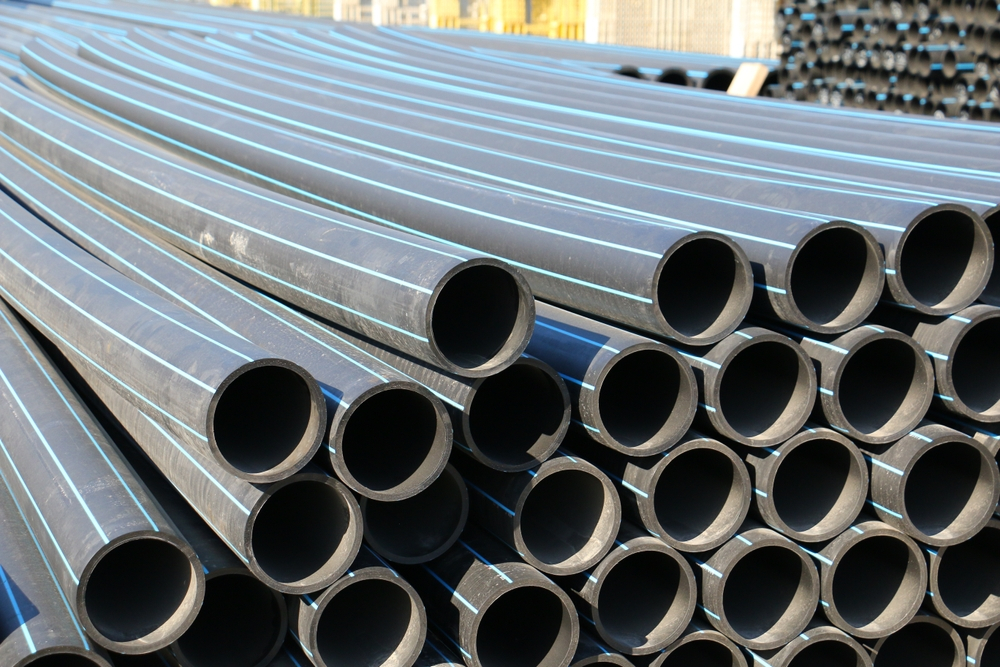
8. Categories of Hot Rolled Pipes
Hot-rolled pipes are classified into different categories based on their application and required features:
- Structural Pipes: Typically used in construction and infrastructure projects, these pipes are made from high-strength carbon steel.
- Line Pipes: Designed for the long-distance transportation of fluids, these pipes must meet strict quality requirements.
- Mechanical Pipes: Made with precise dimensions and properties, they are often used for machining mechanical components.
- Boiler Pipes: These pipes are designed to withstand high temperatures, corrosion, and stress for use in boilers and heat exchangers.
- Hydraulic Pipes: Known for their tight dimensional tolerances and smooth inner surface, hydraulic pipes are used in fluid power systems.
9. Conclusion
In conclusion, hot-rolling produces versatile, high-strength, seamless pipes that serve a wide array of functions across key industries. Proper maintenance is essential for ensuring long-lasting performance. Categorizing hot-rolled pipes helps in matching their specifications to the needs of specific applications.
Hot-rolled pipes form the backbone of modern infrastructure, thanks to their combination of strength, ease of fabrication, and cost-effectiveness.
FAQs
Q1: How do hot-rolled pipes differ from cold-rolled pipes?
Hot-rolled pipes are made at elevated temperatures above the recrystallization point, resulting in higher strength. Cold-rolled pipes, however, are formed at lower temperatures, which provides improved surface finish and dimensional accuracy.
Q2: What types of steel are used for hot-rolled pipes?
Common steel grades include low-carbon steel, carbon manganese steel, micro-alloyed steel, alloy steel, and stainless steel. The choice depends on the required mechanical properties and resistance to corrosion or high temperatures.
Q3: What materials are commonly used for coating hot-rolled pipes?
Pipes are often coated with materials like zinc, epoxy, polyethylene, coal tar, or fusion-bonded epoxy to provide protection against rust, chemicals, and wear.
Q4: How are hot-rolled pipes connected in the field?
Welding is the most commonly used method to join hot-rolled pipes. Other methods like flanges, threaded couplings, and grooved couplings may also be used, depending on the pipe’s pressure rating and operational conditions.