![[removal.ai]_163ff496-97e1-4a0f-9bfb-aac1353e0974-whatsapp-image-2024-11-15-at-16-25-13_b14a1d44_enhanced](https://mughalstarpipe.com/wp-content/uploads/elementor/thumbs/removal.ai_163ff496-97e1-4a0f-9bfb-aac1353e0974-whatsapp-image-2024-11-15-at-16-25-13_b14a1d44_enhanced-qxh0uch13grqnq4dixl5yuoivoiqb5endldi2auwu2.png "[removal.ai]_163ff496-97e1-4a0f-9bfb-aac1353e0974-whatsapp-image-2024-11-15-at-16-25-13_b14a1d44_enhanced")

Schedule 40 pipe is known for its adaptability and strength, making it a key element in various industrial sectors today. In this discussion, we will explore the distinctive properties and manufacturing process of schedule 40 pipe to understand why it has become a cornerstone in steel production.
2. What is Schedule 40 Pipe?
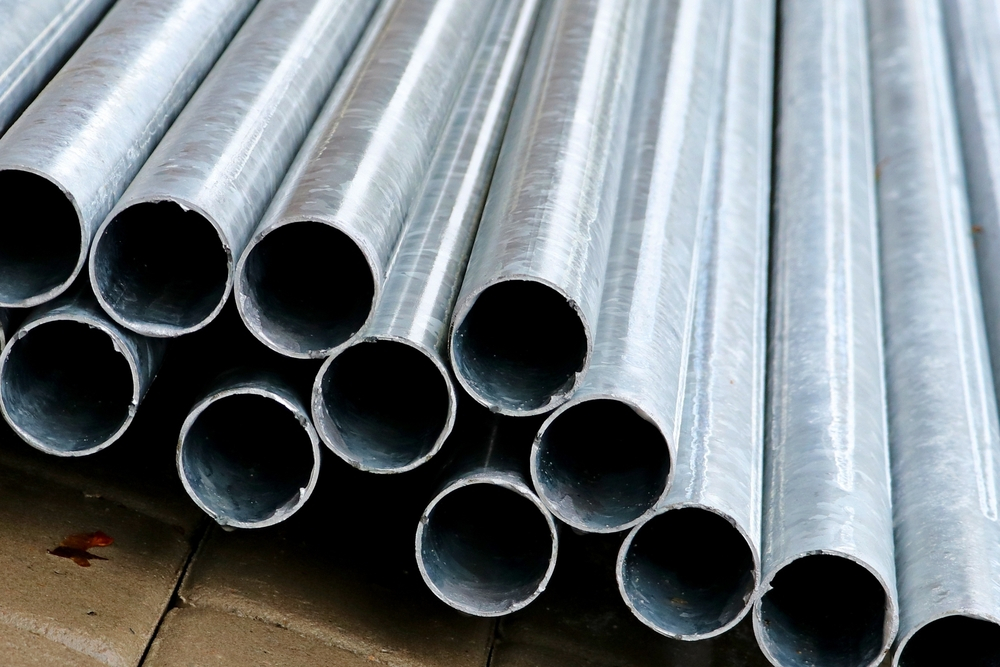
Schedule 40 pipes represent a particular pipe standard with a specific wall thickness. The term “schedule 40” indicates that the pipe can endure significant pressure without warping. Schedule 40 pipes fall between Schedule 20 and Schedule 80 in terms of strength. Its defining feature is its unique blend of flexibility and robustness.
Schedule 40 Pipe
Schedule 40 pipe is designed to meet the tough durability standards required in industrial applications while offering sufficient flexibility for processes like bending, cutting, and welding. Here, we will dive deeper into the adaptability and strength that make Schedule 40 a trusted standard.
3. The Manufacturing Process Behind Schedule 40 Pipe
Understanding the manufacturing of Schedule 40 pipe helps us appreciate the precision and quality that differentiate it from other types of pipes. The production process involves specific methods to ensure consistency and high performance.
Raw Steel Material Selection
The process begins with selecting raw steel based on its chemical and physical properties. High-quality carbon or stainless steel is chosen to meet stringent quality standards. The raw material arrives in the form of flat strips, plates, or coils, ready for further shaping.
Shaping the Pipe
Shaping the raw steel into a pipe structure creates a round form with a seam that is critical for pipe applications. There are two primary methods for forming Schedule 40 pipe:
- Seamless Pipe Production: This method involves pushing or pulling solid steel over a mandrel to create a hollow pipe shape without welding a seam.
- ERW (Electric Resistance Welded) Method: This method shapes the raw steel into a tube, then uses electrical resistance to weld the edges together.
Both methods ensure the pipes meet crucial standards for consistency in circumference and structural integrity.
Sizing the Pipe Wall Thickness
After shaping, the pipe is further processed by cold drawing and rolling to achieve the specific wall thickness required for Schedule 40. This precise control ensures the pipe meets the necessary dimensions and tolerances.
Testing and Quality Control
Schedule 40 pipes undergo rigorous testing to guarantee their safety and performance. Key quality checks include:
- Hardness Tests: Measure the pipe’s strength.
- Flattening Tests: Ensure the pipe is free from defects.
- Hydrostatic Tests: Assess the pipe’s ability to withstand high-pressure fluids.
- Ultrasonic Tests: Detect internal imperfections.
These tests ensure the pipes meet the highest safety standards.
4. Why Choose Schedule 40 Pipe?
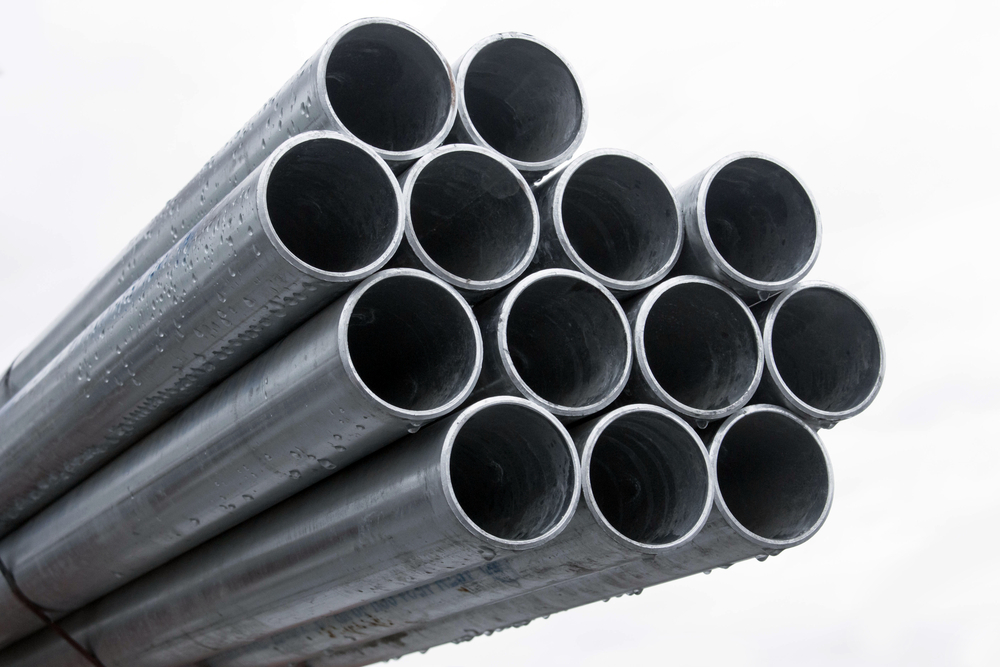
Now that we understand the manufacturing process, we can highlight the key benefits of Schedule 40 pipe in industrial and construction applications.
High Pressure Ratings for Safety
Schedule 40 pipes are designed with controlled thickness and high-quality steel, enabling them to withstand pressures up to 800 PSI for liquids and 1,440 PSI for gases. This balance of strength and flexibility prevents pipe failures and ensures worker safety.
Impact Strength
Schedule 40 pipes can absorb external impacts without cracking or puncturing, with a minimum impact strength of 65 Kg/cm². This makes them suitable for harsh conditions, such as twisting, bending, or crushing forces.
Customization of Size and Fittings
Thanks to precise manufacturing, Schedule 40 pipes can be customized to meet specific needs. After meeting baseline diameter and thickness standards, these pipes are further tailored to various sizes, from 1/8” to 72”, and can be fitted with joints, elbows, tees, and other connections.
5. Simplifies Welding and System Integration
Due to its ideal thickness and material properties, Schedule 40 pipe is easy to weld and integrate into existing piping systems. The pipe can be inserted into current grids through standard welding processes, and its composition ensures that modifications meet safety codes.
6. Expanding Applications Across Industries
Schedule 40 pipe’s combination of reliability, safety, and flexibility has led to its use across various sectors:
- Oil and Gas: Used in the transfer and access points for fossil fuels.
- Chemical Processing: Essential for preventing leaks in hazardous fluid environments.
- Energy and Power: Delivers pressurized steam across power plants.
- Water Treatment: Used for water distribution in treatment systems.
- Food and Beverage: Maintains sanitary standards in production.
- Mining: Withstands the harsh underground conditions for ventilation and material transport.
These industries showcase the versatility of Schedule 40 pipes in modern operations.
The Trusted Schedule 40 Difference
Schedule 40 pipe has earned its reputation as a reliable, flexible, and durable choice for a wide range of industrial applications. Thanks to its precise manufacturing process, it meets the diverse needs of businesses seeking safe, effective piping solutions.
7. Frequently Asked Questions:
What is Schedule 40 pipe?
Schedule 40 pipe is a medium-thickness pipe made of carbon or stainless steel, designed to withstand working pressures of up to 800 psi for liquids and 1,440 psi for gases.
What materials are used for Schedule 40 pipes?
Schedule 40 pipes are typically made from high-quality carbon steel or stainless steel alloys, chosen for their strength and durability.
What industries use Schedule 40 pipes?
Schedule 40 pipes are widely used in industries such as oil and gas, chemical processing, power plants, wastewater treatment, food production, and mining.
What sizes do Schedule 40 pipes come in?
Schedule 40 pipes are available in diameters from 1/8 inch to over 72 inches, with standard lengths ranging from 20 to 40 feet, though they can be cut to custom sizes.